Set of Christmas Tree Toys: A Designer's Review for Seasonal Illustrations
I recently received a brief from a boutique handmade brand preparing for their annual holiday campaign. They needed a visual element that could bridge the gap between modern minimalism and nostalgic warmth. The goal was to create packaging, social media graphics, and printable wall art that felt authentic to their handmade business vibe without looking generic. After reviewing dozens of assets on the creative marketplace, I decided to put the Set of Christmas Tree Toys through its paces. As an experienced graphic designer, my job is not just to find pretty images but to determine if they hold up under the pressure of real client work.
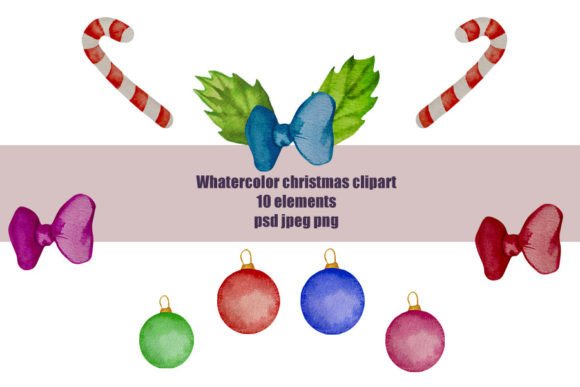
My first impression of this collection was immediate. Unlike many stock illustrations that feel flat or overly digital, these Christmas Tree Toys possess a tactile quality. They evoke the feeling of glass ornaments, knitted baubles, and vintage tinsel. The style leans towards a charming, slightly retro aesthetic that fits perfectly with current trends in modern design where texture and character are prioritized over sterile vector shapes. For a project requiring emotional appeal and audience engagement, this asset delivers exactly what is needed to set the right mood.
Real-World Application in Brand Identity and Packaging
In the context of a real client project, versatility is key. I immediately visualized how these Set of Christmas Tree Toys would function within a cohesive brand identity. If we were designing labels for a line of artisanal soaps or candles, these toys would serve as perfect decorative accents. They add a layer of sophistication that elevates a simple product mockup into a premium gift item. The visual hierarchy created by placing these elements alongside clean typography allows the brand message to shine while still delivering that festive punch.
For packaging design, the asset performs exceptionally well. Whether used as a background pattern for tissue paper or as a focal point on a hang tag, the details remain crisp. I tested them against various font styles, pairing them with serif fonts for a classic look and sans-serif fonts for a contemporary edge. The illustration holds its own in both scenarios. It does not compete with the text; instead, it supports the narrative of the brand. This balance is crucial for maintaining professional standards in commercial design.
When considering product mockups, such as mugs, tote bags, or t-shirt designs, the asset proves its worth. The color palette is rich yet harmonious, ensuring that sublimation prints will retain their vibrancy. I also evaluated how the design translates to physical merchandise. For a small business owner launching a seasonal collection, having a design bundle that works seamlessly across multiple mediums saves hours of editing time. The ability to use these as standalone icons or combined into larger compositions makes them a powerful tool for any creative design workflow.
Strategic Placement and Visual Hierarchy
While the potential is high, a professional designer must know where to apply these assets strategically. The Set of Christmas Tree Toys excels in large layout areas and hero graphics. On a website banner or a Pinterest pin, these illustrations command attention and guide the viewer's eye naturally. They are ideal for creating themed collections where a consistent visual language is required to build recognition.
However, there are limitations to consider. In crowded layouts or complex backgrounds, these detailed illustrations can become visually noisy. If the background already contains intricate patterns or heavy textures, adding these toys might clutter the visual hierarchy. Similarly, for projects requiring very clean visual hierarchy, such as professional corporate materials or minimalist branding, these playful elements might feel out of place. They are best reserved for lifestyle brands, retail campaigns, editorial design, and festive marketing visuals where personality is desired.
Readability is another factor. When using these toys as part of a logo design, ensure there is sufficient negative space around them. If the toy is too small, fine details may disappear, especially when printed on small items like stickers or pins. I recommend testing the asset at various sizes before finalizing the design. At large scales, the texture and shading provide depth, but at tiny scales, the image may lose definition. Always preview the design on actual devices to confirm that the digital product maintains its integrity.
Technical Checks Before Commercial Use
Before handing off a file to a printer or a developer, there are specific technical checks every designer must perform. First, always test the asset in black and white. This ensures that the contrast remains effective even if the client decides to print in monochrome or if the image appears on a grayscale medium. Next, check the contrast on both light and dark backgrounds. The Illustrations in this set generally have strong outlines, which helps, but verifying legibility is non-negotiable for accessibility.
File format inspection is critical. If the asset comes as a PNG, inspect the transparency carefully. Are the edges clean, or is there a halo of white pixels? For scalable needs, verify if an SVG or vector version is available. Vector files allow for infinite resizing without loss of quality, which is essential for commercial design projects ranging from business cards to billboards. If only raster formats are provided, ensure the resolution is high enough for print-on-demand services.
Another vital step is comparing the style with other design elements. Does the hand-drawn feel of the toys clash with the chosen font? If the brand uses a script font, the whimsical nature of the toys usually complements it well. However, if the brand uses a rigid display font, the combination might feel disjointed. Reviewing the file formats and understanding the editability of the layers can save significant time during the revision process.
Final Verdict for Designers and Sellers
Ultimately, the Set of Christmas Tree Toys is a valuable addition to any library of design assets. It offers a blend of nostalgia and modernity that resonates with audiences looking for authentic holiday content. For Cricut users, Etsy sellers, and print-on-demand entrepreneurs, this asset provides a quick way to generate unique products without starting from scratch. It simplifies the creation of marketing visuals and allows creators to focus on strategy rather than drawing individual ornaments.
The emotional appeal of these toys is undeniable. They trigger positive memories and foster a sense of community, which is exactly what seasonal campaigns aim to achieve. Whether you are building a Cricut project, designing a sticker sheet, or creating a full-scale editorial spread, these illustrations provide the polish needed to elevate the final result. Just remember to respect the boundaries of the design: avoid overcrowding, maintain clear hierarchy, and always confirm your commercial license before using it for a paying client.
For those seeking a reliable graphic design asset that balances artistic flair with practical utility, this set stands out. It transforms a standard project into something memorable. By integrating these toys thoughtfully, designers can create work that not only looks good but also communicates the right message to the right audience. In the competitive world of creative marketplace products, finding tools that deliver both quality and versatility is rare, making this a highly recommended purchase for serious professionals.